QuackQuack's Gen Z Insight: Valentine's Day Isn't the Revenue Driver You Think
·6 min read
33% of Gen Z daters aged 20–26 deliberately paused activity on Valentine's Day, describing it as a 'deliberate non-event'
60% of active Gen Z users chose minimal engagement over substantive interaction during the romantic holiday
39% of Millennial women and 21% of Millennial men aged 27–35 used Valentine's Day as a compatibility audit
Survey by QuackQuack covered 10,853 active users across metropolitan, suburban and rural areas in India
Indian dating app QuackQuack has released survey data that should make dating operators rethink how they programme around romantic tentpole moments. A third of Gen Z daters are deliberately pausing new matches and limiting existing conversations this Valentine's Day—not because they're overwhelmed, but because they've decided the entire exercise isn't worth engaging with. The behaviour marks a shift from passive platform fatigue to active withdrawal during peak dating moments.
Young person using dating app on mobile phone
Sixty percent of Gen Z respondents who stayed active chose minimal engagement—memes, emojis, low-effort check-ins—over the gifts or in-person dates that dating platforms have historically monetised through February promotions. The survey, conducted across metropolitan, suburban and rural areas, found that 33% of 20–26 year olds described the holiday as a 'deliberate non-event', citing comparison anxiety and forced milestones as reasons to step back.
Millennials told a different story. Thirty-nine percent of women and 21% of men aged 27–35 in Tier 1 and 2 cities used the day as what amounts to a compatibility audit—evaluating effort, consistency, and long-term alignment. Nearly 43% made intentional plans with matches they considered serious prospects, comfortable discussing exclusivity and future expectations. A well-planned coffee date outranked expensive last-minute gestures.
Enjoying this article?
Join DII Weekly — the dating industry briefing, delivered free.
The DII Take
Gen Z's active retreat during traditionally high-engagement moments represents a structural challenge for dating platforms that have built revenue strategies around romantic calendar events.
If younger cohorts increasingly reject performative relationship milestones, operators will need to rethink how they design features, when they launch promotions, and what behaviours they incentivise. The Millennial approach—treating Valentine's Day as a strategic checkpoint—at least offers a clear product roadmap. Romantic fasting offers nothing to monetise.
What romantic fasting signals for product teams
Dating platforms have historically treated February as a revenue opportunity. Promotions, premium feature discounts, and boosted visibility products are timed to coincide with Valentine's Day urgency. But if a third of Gen Z users are deliberately reducing activity during the period, that promotional calendar starts to look misaligned with user behaviour.
Person looking thoughtfully at smartphone screen
The QuackQuack findings—though proprietary research from a single market without disclosed methodology—align with broader patterns around dating app fatigue and rejection of algorithmic romance. What's notable here is the active nature of the withdrawal. This isn't users drifting away or taking unplanned breaks. They're making a conscious decision to disengage during moments the industry has positioned as peak engagement windows.
QuackQuack founder and CEO Ravi Mittal's explanation points to pressure around labelling relationships and the performance gap between Valentine's Day gestures and sustainable effort. For operators, that translates to a product design question: are features built around romantic milestones creating friction with users who want relationships to progress without external timelines? The six in ten Gen Z respondents who chose minimal engagement over substantive interaction suggest that platforms optimised for decisive action—sending gifts, booking dates, defining relationships—may be out of step with how younger users actually want to behave.
Why Millennials are playing a different game
The contrast with Millennial behaviour is sharp. Treating Valentine's Day as a compatibility checkpoint reflects a cohort that's moved past exploration and into evaluation mode. These are users actively seeking long-term partners, which means they're responsive to features that help them assess match quality and long-term fit.
That 39% of Millennial women in Tier 1 and 2 cities used the day to evaluate effort and consistency points to a user need that dating platforms have struggled to serve: tools for assessing relationship trajectory beyond initial attraction. The preference for thoughtful planning over expensive gestures suggests a market for features that surface behavioural signals—follow-through, communication patterns, alignment on life goals—rather than just profile data.
Building for Gen Z's preference for low-pressure, unstructured interaction means designing differently than building for Millennials who want decision-making tools.
For dating operators, this creates a segmentation challenge. The same platform is serving users with fundamentally different objectives, and the QuackQuack data suggests that one-size-fits-all approaches to romantic milestones are likely to miss both groups.
The commercial problem with opting out
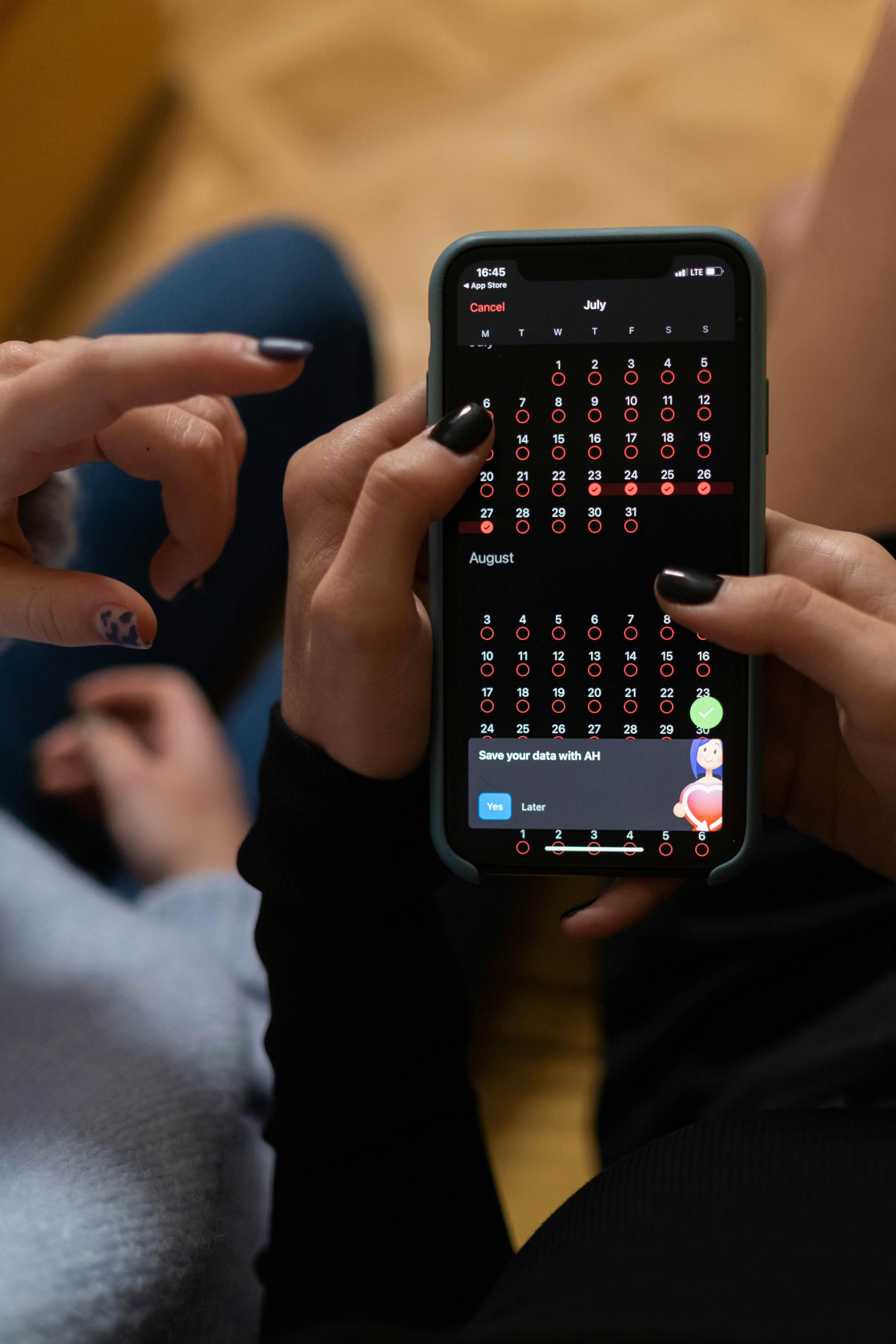
Mobile phone displaying dating application interface
Valentine's Day has historically been a revenue driver for dating platforms, not just through direct monetisation but through increased engagement that feeds downstream conversion. If Gen Z users are actively reducing activity during these windows, that's a near-term revenue problem and a longer-term user behaviour problem.
The challenge isn't just lost February revenue. It's that platforms have built engagement strategies around the assumption that romantic milestones create urgency. If that assumption breaks down for younger cohorts, the promotional playbook needs rethinking. Offering premium features at a discount during Valentine's Week only works if users are active and motivated to convert. Romantic fasting breaks that logic.
Dating platforms targeting younger demographics will need to identify when Gen Z users are actually receptive to engagement prompts, rather than assuming traditional romantic calendar events still drive behaviour. The QuackQuack survey—limited to India and without disclosed sample methodology—offers indicative rather than definitive data, but the pattern is consistent with what operators are seeing in other markets: younger users increasingly reject the performative aspects of dating that platforms have historically monetised.
Dating platforms must identify new engagement windows for Gen Z users who actively reject traditional romantic calendar events, rather than assuming Valentine's Day and similar milestones still drive conversion
A segmentation strategy is critical: Millennials want decision-making tools and compatibility assessments, whilst Gen Z favours low-pressure, unstructured interaction without externally imposed relationship timelines
The shift from passive fatigue to active withdrawal during peak moments signals a fundamental challenge to revenue models built around romantic urgency—operators need to discover what Gen Z users actually want to do, not what the industry expects them to do